
AI receptionist vs hiring a receptionist: the real cost in Australia
27 January 2026

There's a point most service businesses hit. Work is coming in, the phone doesn't stop, and someone says it out loud: we need a receptionist.
I understand why. I've said it myself in past businesses. But more often than not, hiring treats the pressure, not the cause. Here are the real numbers on both, and how to tell which one you need.
The short answer
A full-time receptionist in Melbourne costs roughly $50,000 a year in wages alone, for about 38 hours a week. An AI receptionist costs under $700 a month and answers every call, any hour. If the problem is missed calls and bookings, the AI wins on cost and coverage. If the problem is a front counter or work that needs judgement, you need a person.
What a receptionist really costs
Payscale puts the average receptionist in Melbourne at about $25 an hour in 2026. That's where the cost starts, not where it ends.
| Receptionist (full time) | AI receptionist (revenu) | |
|---|---|---|
| Base cost | About $50,000 a year | $599 + GST a month for the whole system |
| On top | Super, leave and sick cover, recruitment, training, a desk | Usage for call minutes and texts, rates published |
| Hours covered | About 38 a week | Every hour, every day |
| Calls at once | One | As many as come in |
| Best at | Judgement, warmth, the front counter | Answering, booking, follow-up, never missing one |
The cause hiding behind the pressure
The value of a service business usually sits in the people doing the work. Their judgement and reputation are the product. As demand grows, the business asks more of those same people: more calls, more emails, more chasing, more switching between the work and the admin around it.
Enquiries arrive through five channels. Client messages live in three inboxes and your phone. Follow-ups depend on memory. So the owner becomes the safety net, holding context and catching gaps late at night. Add a receptionist to that and you've got two people trying to hold a system that only lives in your head.
What I did for a firm that was about to hire
A professional services firm I work with had a solid reputation and steady referrals. Nothing was broken, but everything needed attention. The owner was pulled in every direction and the service was starting to slip, quietly. A missed email here, a late follow-up there.
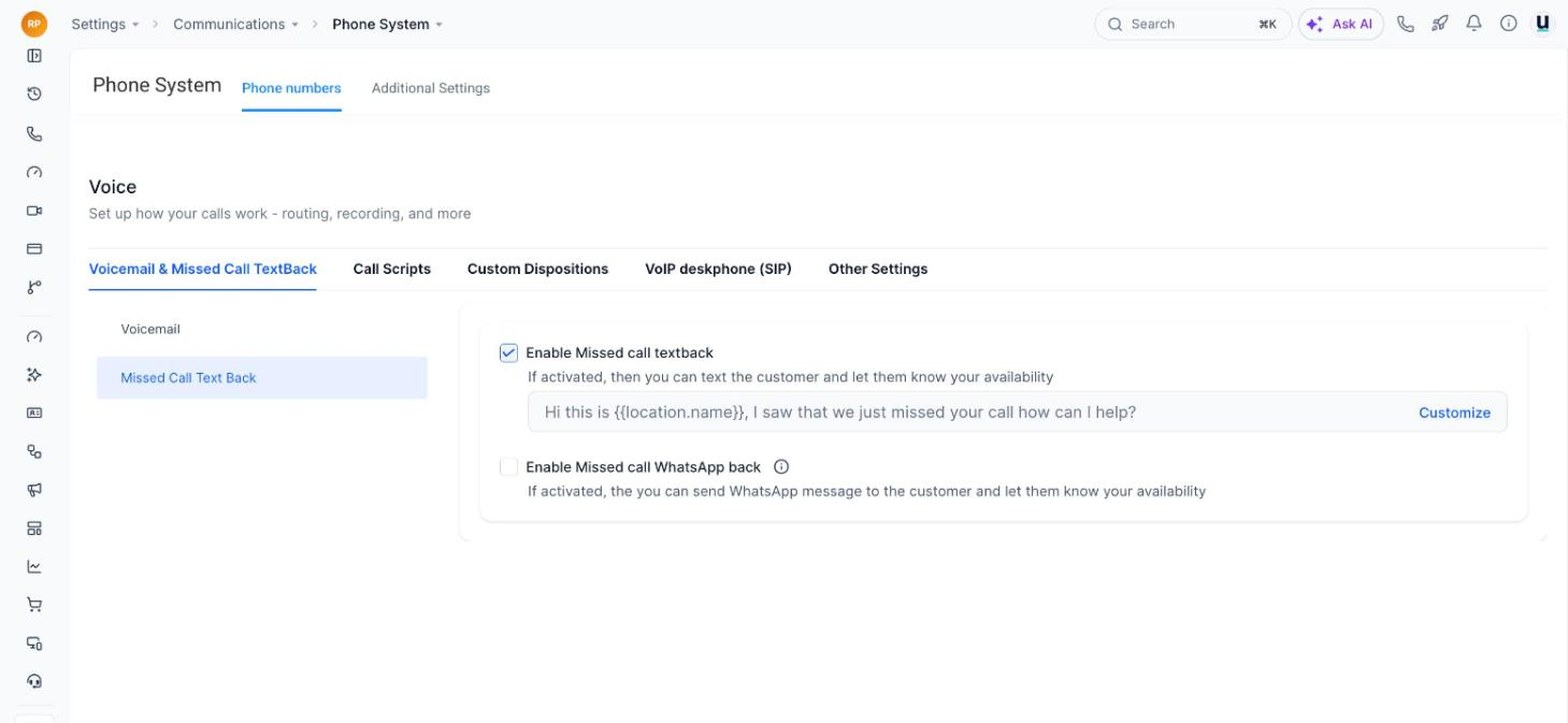
When we talked about hiring, the frustration wasn't really the phone. It was the mental load of keeping every touchpoint moving. So instead of adding a person, we mapped how enquiries came in, how clients were onboarded and where things stalled. Then I built that into the system: one inbox, consistent follow-up, an AI receptionist on the phones, client details in one place.
The quality of the service didn't change. That was already there. What changed was how much of it they could deliver. The owner went back to the work that needed their judgement.
When you should hire a person
- You have a front counter and walk-ins.
- Calls need real judgement: triage, complaints, sensitive conversations.
- The admin goes well beyond phones and bookings.
Even then, hire into a system rather than a mess. A receptionist with clean tools and an AI covering the overflow is worth twice the one drowning in sticky notes.
When the AI is enough
- Most calls are bookings, quotes and the same ten questions.
- You miss calls because you're on the tools or with clients.
- After-hours enquiries are going to whoever answers first.
I've always believed businesses should get easier to run as they grow, not harder. Systems are how that happens. They're a form of respect for the people doing the work and for the clients relying on them.
Questions people ask
How much does a receptionist cost in Melbourne?
Payscale puts the average receptionist in Melbourne at about $25 an hour in 2026. Full time, that's roughly $50,000 a year before superannuation, leave cover, recruitment and the desk they sit at.
Is an AI receptionist cheaper than hiring one?
Usually, by a long way. revenu is $599 plus GST a month, plus usage for calls and messages. But the better question is what you need: an AI receptionist covers calls and bookings around the clock, a person covers judgement, the front counter and the work that needs a human.
Can an AI receptionist book appointments?
Yes. It checks your calendar, offers real times, books the slot and sends the confirmation. It can also text a deposit link if your booking needs one.
Will callers know it's AI?
Yes, if they ask, and it introduces itself by name. Being upfront is part of the setup, and it's better for trust.
If the phone is the pressure point, here's how the AI receptionist works. If you'd rather talk it through first, book a chat.
Keep reading